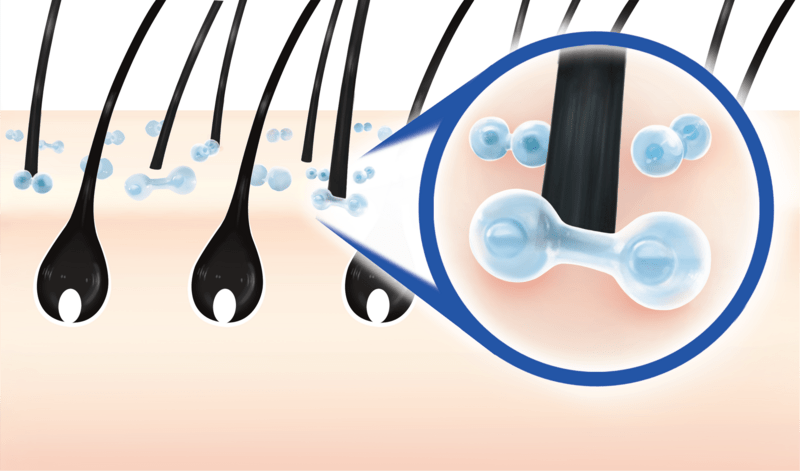
Malassezia spp. overgrowth
Higher numbers of Malassezia spp. relates to the appearance of the condition.
The higher the number of Malassezia spp. detected, the more severe the seborrheic dermatitis.
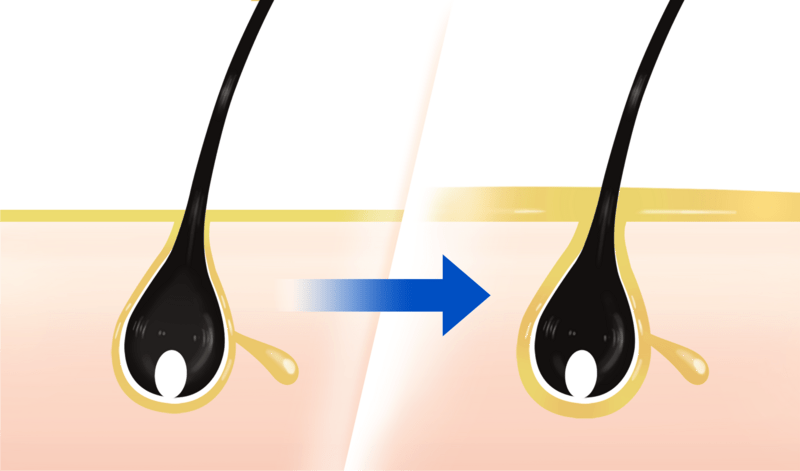
Oil Gland Activity
Excess rich oil production allows Malassezia spp. to thrive, leading to overgrowth.
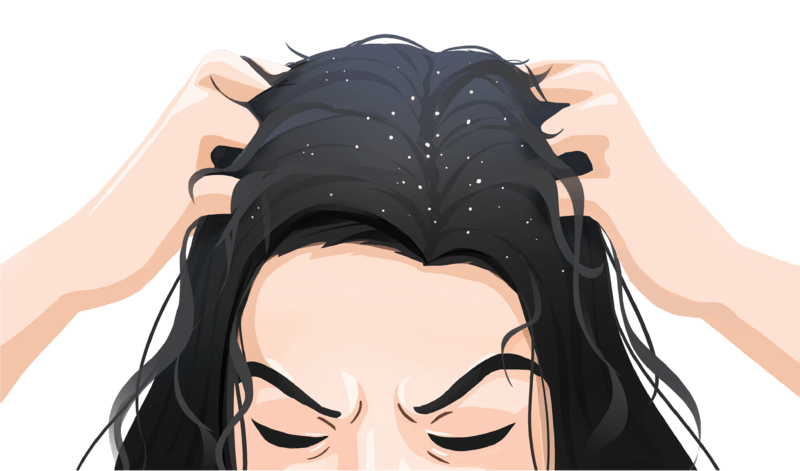
Individual Vulnerability
Contributing factors include:
Emotional Stress
Skin Barrier Integrity
Genetics
Neurogenic Factors
Nutrition
Emotional Stress1,3
 Seborrheic dermatitis is more commonly observed in people under emotional stress. Stress is also known to promote oil gland activity which can indirectly cause Malassezia spp. to thrive and overgrow.
Skin Barrier Integrity1
 Disrupted skin barrier function can contribute to aggravation of dandruff. In fact, dandruff sufferers have been shown to be more responsive to irritants produced by Malassezia spp.
Genetics1
 Changes in an individual’s genes could disrupt biological processes believed to influence an individual’s susceptibility to dandruff and seborrheic dermatitis.
Nutrition1
 Nutrition has been studied as a possible contributing factor for seborrheic
dermatitis. Vitamin B2, Vitamin B6 and Vitamin B3 deficiency can cause
seborrheic dermatitis-like rash.
Nutrition has been studied as a possible contributing factor for seborrheic
dermatitis. Vitamin B2, Vitamin B6 and Vitamin B3 deficiency can cause
seborrheic dermatitis-like rash.Neurogenic factors1
 Neurogenic factors could provide favourable conditions for Malassezia spp.
overgrowth.
Neurogenic factors could provide favourable conditions for Malassezia spp.
overgrowth.